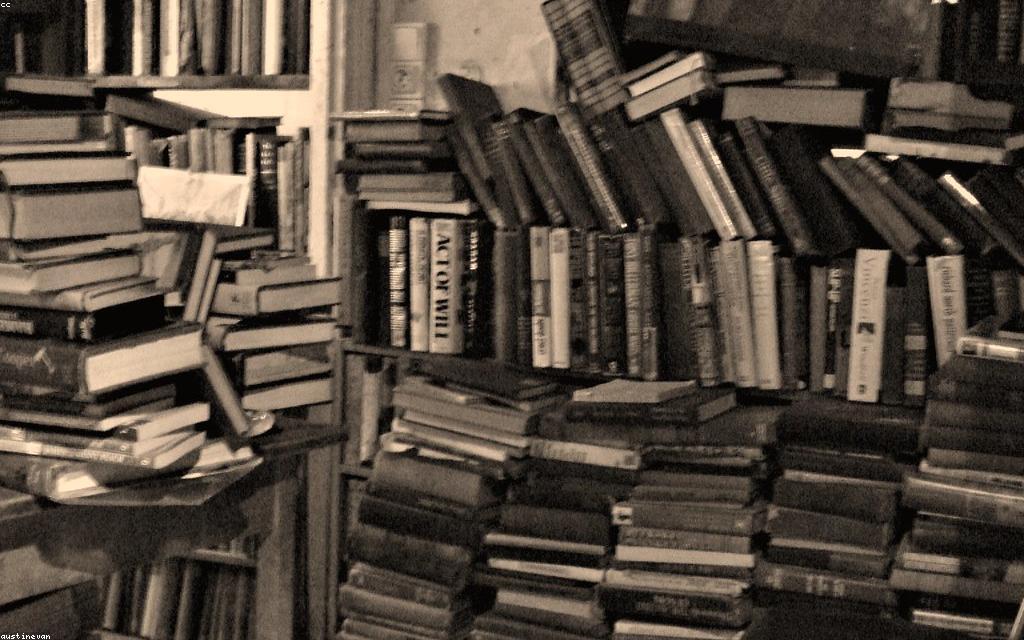

Many readers carry a private guilt. They started a book, lost interest somewhere around the fourth chapter, and never finished it. The bookmark sits there like an accusation. We tend to treat an abandoned book as a small personal failure, but the truth is far gentler.
Finishing Is Not a Moral Act
Somewhere along the way, reading picked up the language of obligation. We talk about getting through a book, as if it were a chore to be completed. But no one hands out medals for stamina. A book that bores you is not teaching you discipline. It is teaching you that your reading time is finite and worth protecting.
Life is too short and the world holds too many books for any reader to plod dutifully through one that gives nothing back. The hours you free by quitting are hours you can spend on something that actually moves you.
When to Stay and When to Leave
Of course, not every difficult book deserves abandoning. Some reward patience, and the early struggle is part of the design. The trick is telling the difference. Ask yourself:
- Am I bored, or am I being challenged in a way that feels productive?
- Do I think about the book when I am not reading it?
- Would I rather be reading almost anything else right now?
If a book has stalled completely and the thought of opening it brings only dread, that is your answer.
Try keeping a small shelf, real or imagined, for books you set aside. Not failures, simply books that were not for you, or not for now. Some of them you may return to in five years and adore. Others you will happily never reopen. Either way, the decision to stop reading is not surrender. It is a reader exercising good judgment about a precious, limited resource: attention.